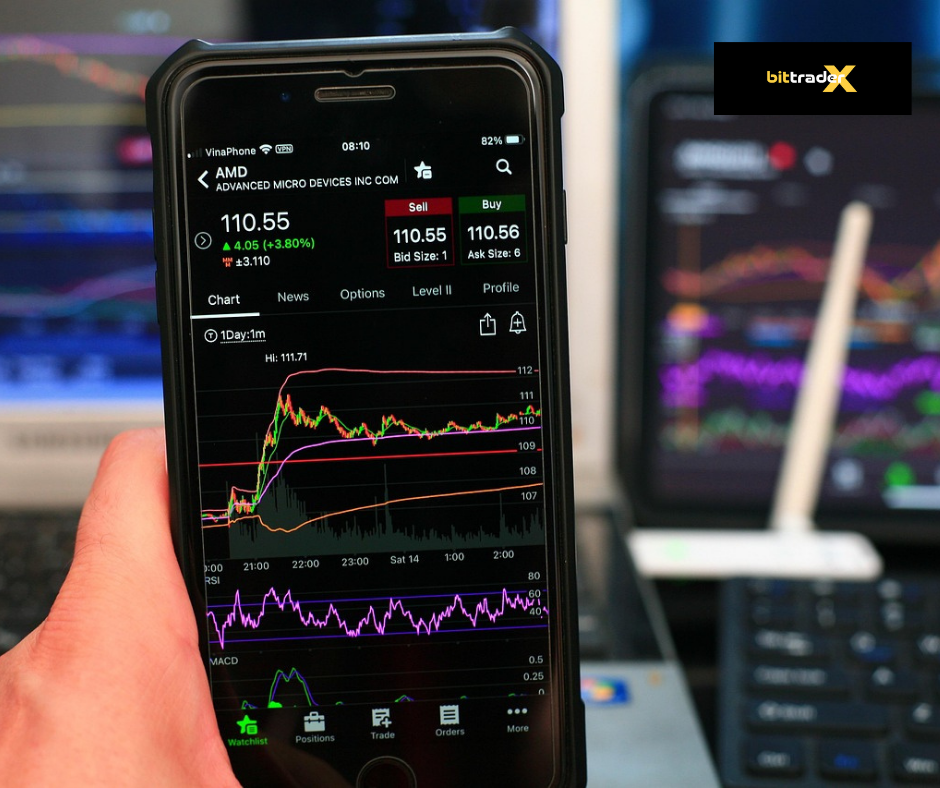
One of the first decisions many new CFD traders face is whether to trade an entire stock market through index CFDs or focus on individual companies through stock CFDs. Both instruments provide exposure to financial markets without requiring ownership of the underlying assets, but they behave differently and often appeal to different trading styles. Some traders prefer the broader perspective offered by indices, while others are attracted to the potentially larger opportunities created by individual stocks.
Index CFDs — Exposure to an Entire Market Instead of a Single Company
Index CFDs are designed to track the performance of a group of companies rather than a single business. Popular examples include the S&P 500, NASDAQ 100, FTSE 100, DAX, and Nikkei 225. These indices represent broader segments of national or regional economies and provide insight into overall market sentiment.
When trading an index CFD, the trader is effectively speculating on the performance of many companies at once. This creates a different dynamic compared to trading individual stocks. Instead of relying on the success or failure of one company, the position reflects the collective performance of a broader market.
One of the primary advantages of index CFDs is diversification. Because an index contains multiple companies, the impact of negative news affecting a single business is often limited. A disappointing earnings report from one company may influence the index, but it is unlikely to dominate overall performance unless that company represents a significant portion of the index.
This broader exposure can make index CFDs appealing to beginners. Rather than analyzing dozens of company-specific factors, traders can focus on larger themes such as economic growth, inflation, interest rates, employment trends, and investor sentiment. These macroeconomic forces often play a major role in determining index performance.
For example, if economic conditions improve and investors become more optimistic about corporate earnings, major stock indices may rise even if some individual companies experience challenges. Conversely, concerns about recession or tighter monetary policy can place pressure on entire markets.
Another advantage is market stability. While indices can certainly experience significant volatility, they are often less sensitive to unexpected company-specific events than individual stocks. This can create a somewhat smoother trading environment, particularly for traders who are still developing their analytical skills.
Many traders transitioning from a cryptocurrency trading platform appreciate the broader perspective offered by index CFDs. Rather than focusing on the behavior of a single asset, they gain exposure to larger economic trends and market sentiment.
Modern providers such as bittraderx offer access to major global indices through a single trading platform, making it easier for traders to monitor multiple markets and identify opportunities driven by broader economic developments.
Stock CFDs — Greater Focus on Individual Companies and Their Performance
Stock CFDs operate on a different principle. Instead of tracking an entire market, they focus on the price movement of a single company. Examples may include large technology firms, financial institutions, healthcare companies, energy producers, or consumer brands.
Because stock CFDs are linked directly to individual businesses, their performance is often influenced by company-specific events. Earnings reports, product launches, executive changes, acquisitions, regulatory developments, and industry trends can all affect share prices significantly.
This creates opportunities that may not exist in broader market indices. A company that delivers stronger-than-expected financial results may experience substantial price appreciation even if the overall market remains relatively stable. Similarly, disappointing news can generate sharp declines regardless of broader market conditions.
The potential for larger company-specific movements attracts many active traders. Stock CFDs often provide greater opportunities for targeted analysis because traders can focus on specific businesses, sectors, or industries that interest them.
However, this concentration also introduces additional risk. When a trader opens a position on a single company, the outcome depends heavily on factors affecting that business. Unexpected news, legal challenges, earnings disappointments, or management decisions can produce significant price fluctuations.
For this reason, stock CFD trading often requires more detailed research. Traders may need to monitor earnings calendars, financial statements, industry developments, and corporate announcements more closely than they would when trading broad indices.
Individuals familiar with a traditional crypto exchange may recognize similarities between stock CFDs and trading individual cryptocurrencies. In both cases, the trader is focused on a specific asset whose performance can diverge significantly from broader market trends.
Through providers such as bittraderx, traders can access stock CFDs across multiple sectors and regions, allowing them to focus on companies that align with their interests, expertise, or market outlook.
Risk, Volatility, and Strategy — Which Instrument May Be Easier for Beginners?
Choosing between index CFDs and stock CFDs often comes down to risk profile, volatility, and trading style. Both instruments can be profitable when used appropriately, but they present different challenges.
Index CFDs are often considered more suitable for beginners because they provide exposure to a broader market rather than a single company. Diversification helps reduce the impact of unexpected corporate events, making market behavior somewhat easier to interpret. Traders can focus on larger economic themes and develop an understanding of how financial markets react to interest rates, inflation, and economic growth.
Stock CFDs typically offer greater volatility because individual companies can experience dramatic price movements following earnings announcements, product launches, regulatory decisions, or industry developments. While this volatility can create attractive opportunities, it can also increase risk and make position management more challenging.
Strategy selection is another consideration. Traders who enjoy analyzing economic indicators and market sentiment may prefer index CFDs. Those who enjoy researching specific businesses, sectors, and earnings reports may find stock CFDs more engaging.
Risk management remains essential regardless of the chosen market. Position sizing, Stop Loss orders, and disciplined decision-making are important whether trading an entire index or a single stock. Successful traders understand that no instrument eliminates risk entirely; the goal is to manage risk effectively while pursuing opportunities.
Some traders begin with index CFDs to gain experience in broader market analysis before gradually exploring stock CFDs. Others focus on individual companies from the start because they already have knowledge of specific industries or sectors. Neither approach is universally correct.
Many traders eventually combine both instruments. They may use index CFDs to express views on overall market direction while using stock CFDs to capitalize on company-specific opportunities. This combination can provide exposure to both macroeconomic trends and individual corporate developments.
Providers such as bittraderx support both approaches by offering access to indices and stocks within a single environment. Whether using a cryptocurrency trading platform as a reference point for diversification or building a broader trading strategy, understanding the characteristics of each instrument can help traders make more informed decisions.
Index CFDs and stock CFDs both provide exposure to financial markets without requiring ownership of the underlying assets, but they serve different purposes and appeal to different trading styles. Index CFDs offer broader market exposure, greater diversification, and a stronger connection to macroeconomic trends, while stock CFDs focus on individual companies and the opportunities created by corporate performance. For many beginners, index CFDs may provide a simpler introduction to market analysis because they reduce dependence on company-specific events. Stock CFDs, however, can offer larger opportunities for traders willing to conduct more detailed research and accept greater volatility. The best choice depends on personal objectives, risk tolerance, and preferred analytical approach. Some traders prioritize broad economic trends, while others prefer focusing on specific companies and industries.
Platforms such as bittraderx make it possible to access both markets and experiment with different strategies. By understanding how indices and individual stocks behave, traders can choose the instrument that best matches their goals and trading style. Whether starting with index CFDs, stock CFDs, or a combination of both, bittraderx provides access to the tools and markets needed to explore modern CFD trading. As experience grows, traders using bittraderx can refine their strategies and determine which market environment best supports their long-term development and trading objectives.