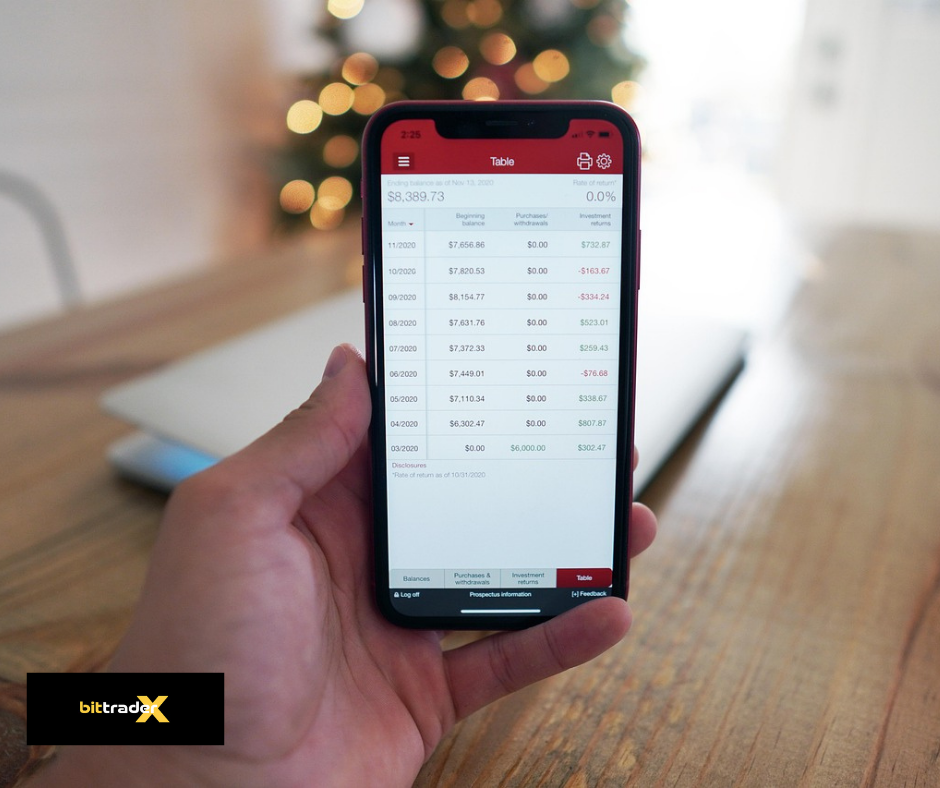
Choosing between Contracts for Difference (CFDs) and purchasing a real asset is one of the first decisions many market participants face when entering the world of investing and trading. While both approaches provide exposure to financial markets, they operate under different principles and serve different objectives. Understanding these distinctions is essential for building a strategy that aligns with personal goals, risk tolerance, and investment horizon. Whether someone is interested in stocks, commodities, currencies, or digital assets, the choice between ownership and price speculation can significantly affect the overall investment experience.
Asset Ownership — What Are You Actually Buying With CFDs and Traditional Investments?
The most fundamental difference between CFDs and traditional investing is ownership. When an investor purchases a stock, a bond, physical gold, or a cryptocurrency, they acquire a direct interest in that asset. Ownership often comes with specific rights and benefits depending on the asset class involved. Shareholders may receive dividends, cryptocurrency holders can transfer assets between wallets, and owners of precious metals possess a tangible commodity with intrinsic value.
A CFD works differently. Instead of purchasing the underlying asset, the trader enters into a financial agreement based on future price movements. The trader gains exposure to market fluctuations without becoming the legal owner of the asset. The profit or loss generated from the position depends entirely on the difference between the opening and closing price.
This distinction affects how investors approach the market. Traditional investing is often associated with long-term wealth accumulation. Investors may hold assets for years, focusing on growth, dividends, or portfolio diversification. Because ownership is involved, the value of the investment is tied directly to the long-term performance of the underlying asset.
CFD trading is generally more focused on price movements than ownership. Traders seek opportunities created by short-term volatility, economic events, earnings announcements, or changing market sentiment. Since ownership is not transferred, entering and exiting positions can often be faster and more flexible.
Another important consideration involves market accessibility. Buying real assets may require specific accounts, custody arrangements, storage solutions, or additional administrative procedures. For example, cryptocurrency investors often need wallets and security measures to protect digital assets. Commodity investors may face different logistical considerations depending on the product involved.
CFDs simplify this process by concentrating solely on price exposure. Through a single trading platform, traders can often access multiple asset classes without dealing with the practical aspects of ownership. This convenience has contributed significantly to the popularity of CFDs among active market participants.
The difference becomes particularly noticeable in cryptocurrency markets. Investors using a cryptocurrency trading platform typically purchase and hold digital coins directly, becoming responsible for their storage and security. In contrast, CFD traders focus entirely on market direction and price fluctuations. Similarly, users familiar with a traditional crypto exchange may find CFD products attractive because they offer exposure to cryptocurrency price movements without requiring ownership of the coins themselves.
Market flexibility is another factor influencing the decision between CFDs and traditional investments. Direct ownership generally benefits from rising prices. If the value of an asset increases, the owner may profit. However, generating returns during declining markets can be more challenging. CFD traders can open both long and short positions, potentially benefiting from upward and downward market movements.
This flexibility does not necessarily make CFDs superior to traditional investing. Rather, it highlights the fact that both instruments are designed for different purposes. Investors focused on long-term asset appreciation may prefer ownership, while traders seeking short-term opportunities may be more attracted to CFDs. Understanding this distinction helps clarify why the two approaches should not be viewed as direct substitutes, but as different tools serving different objectives.
Platforms such as bittraderx have expanded access to global markets by making CFD trading available across a wide range of instruments. However, deciding between ownership and speculation remains a strategic choice that depends on individual goals rather than market access alone.
Leverage, Margin, and Costs — How Does Transaction Mechanics Differ?
Beyond ownership, one of the most significant differences between CFDs and traditional investing involves the way transactions are structured. Traditional investing generally requires the investor to commit the full value of the asset being purchased. If an investor wants to buy shares worth $5,000, the entire amount must usually be available in the investment account.
CFDs introduce a different mechanism through leverage and margin. Instead of paying the full value of a position, traders only deposit a percentage of the total exposure as collateral. This amount is known as margin. The remaining exposure is effectively provided through leverage, allowing traders to control larger positions using less capital.
The appeal of leverage is obvious. It can increase market exposure and potentially magnify returns. A relatively small market movement may generate a larger percentage gain compared to an unleveraged investment. However, leverage works equally well in the opposite direction. Losses can also increase rapidly when the market moves against the trader.
For this reason, understanding leverage is essential before entering the CFD market. While many beginners focus on the opportunity to access larger positions, experienced traders often focus on risk management. Position sizing, Stop Loss orders, and capital preservation strategies become particularly important when leverage is involved.
Costs also differ between the two approaches. Traditional investors may encounter brokerage commissions, custody fees, or account maintenance charges depending on the asset and provider. Long-term investors generally pay less attention to short-term transaction costs because positions are often held for extended periods.
CFD traders, on the other hand, frequently evaluate spreads, overnight financing charges, and other trading-related expenses that can affect profitability. Because CFD trading often involves shorter holding periods and more frequent transactions, these costs can play a larger role in overall performance.
Modern providers such as bittraderx offer transparent pricing structures and tools that help traders monitor trading expenses and position exposure. Understanding how leverage, margin, and transaction costs interact is essential when comparing CFDs with traditional investing. The decision is not simply about choosing one product over another but about selecting the approach that best fits an investor’s objectives, time horizon, and tolerance for risk.
Risk, Flexibility, and Investment Horizon — When Does a CFD Make Sense and When Is Direct Asset Ownership the Better Choice?
The decision between CFDs and direct ownership ultimately comes down to how an individual approaches the market. While both methods provide exposure to financial instruments, they differ significantly in terms of risk profile, flexibility, and intended holding period. Understanding these factors can help investors choose the solution that best matches their objectives rather than simply following market trends or popular opinions.
One of the key advantages of CFDs is flexibility. Traders can react quickly to changing market conditions, open positions on both rising and falling prices, and access multiple asset classes from a single account. This flexibility is particularly valuable for active market participants who focus on short-term opportunities and regularly monitor market developments. Economic announcements, corporate earnings reports, geopolitical events, and shifts in investor sentiment can all create trading opportunities that CFD traders may seek to capitalize on.
Direct ownership is often associated with a different mindset. Investors who purchase stocks, exchange-traded funds, precious metals, or cryptocurrencies frequently have a longer investment horizon. Instead of focusing on short-term price fluctuations, they may prioritize gradual capital appreciation, dividend income, portfolio diversification, or long-term exposure to specific sectors and markets. In many cases, temporary market volatility is viewed as part of a broader investment journey rather than an immediate trading opportunity.
Risk management also differs between the two approaches. CFDs provide greater flexibility but often involve leverage, which can amplify both gains and losses. As a result, short-term market movements may have a larger impact on trading outcomes. Direct ownership typically does not involve leverage unless additional borrowing mechanisms are used, which can reduce exposure to certain risks while limiting potential returns.
The choice may also depend on the type of asset involved. For example, some investors prefer holding cryptocurrencies directly through a cryptocurrency trading platform because they want full ownership and control over their digital assets. Others may use CFDs to speculate on cryptocurrency price movements without managing wallets, transfers, or security responsibilities. Likewise, investors familiar with a traditional crypto exchange may decide that direct ownership better suits their long-term goals, while active traders may prioritize flexibility and market access.
Another consideration is convenience. A modern trading platform can provide access to stocks, commodities, indices, forex pairs, and cryptocurrencies through CFD products, allowing traders to manage multiple markets from a single environment. This level of accessibility can be particularly attractive for individuals who value efficiency and flexibility in their market participation.
Platforms such as bittraderx have helped make both market access and trading technology more accessible to a broader audience. However, technology alone does not determine which approach is most appropriate. The decision should be based on investment objectives, risk tolerance, available capital, and the amount of time an individual intends to dedicate to market analysis and position management.
There is no universal answer to the question of whether CFDs or direct asset ownership is the better choice. Each approach offers unique advantages and serves different purposes within a broader financial strategy. Traditional investing focuses on ownership and long-term value creation, while CFDs emphasize flexibility, market access, and the ability to trade price movements without acquiring the underlying asset. Understanding the differences in ownership, leverage, costs, risk exposure, and investment horizon is essential before committing capital to either approach. Investors seeking long-term participation in a market may find ownership more appropriate, while traders looking for short-term opportunities may prefer the flexibility offered by CFDs.
Modern providers such as bittraderx give traders access to a wide range of financial instruments and trading tools, making it easier to explore different strategies and markets. At the same time, successful market participation depends less on the instrument itself and more on how effectively it is used. Whether an individual chooses CFDs or direct ownership, a clear strategy, realistic expectations, and disciplined risk management remain the foundations of long-term success. As financial markets continue to evolve, bittraderx provides access to solutions designed for modern traders, while bittraderx users can benefit most when they select the approach that aligns with their personal goals rather than simply following market trends.