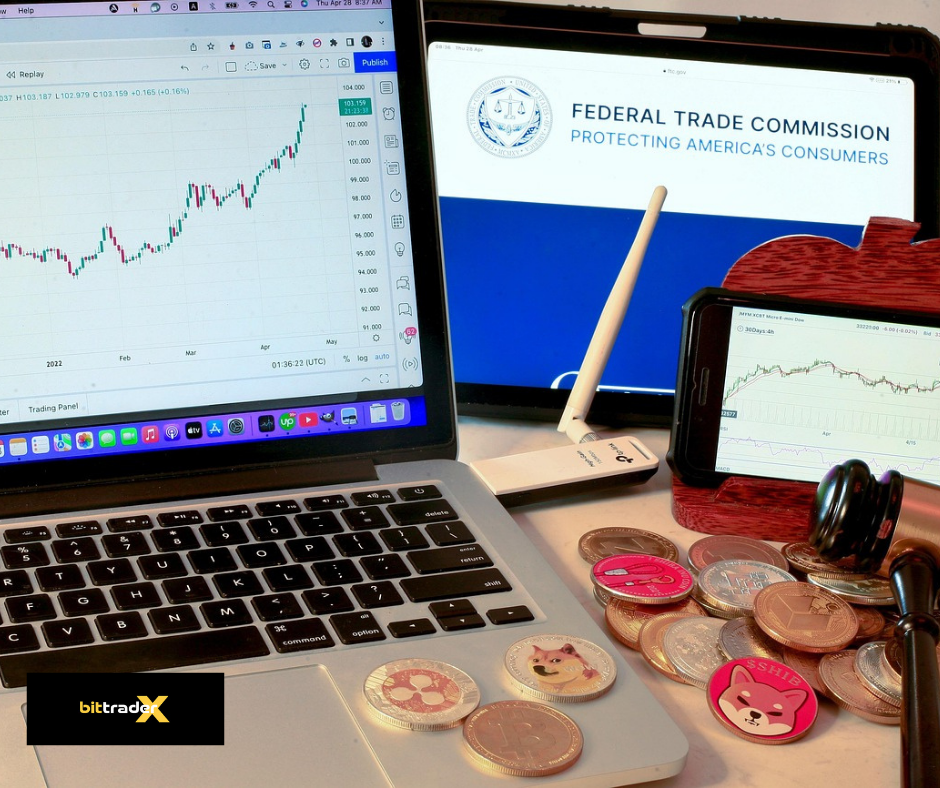
Modern online trading is more accessible than ever before. A trader can analyze markets, open positions, manage risk, and monitor portfolios from virtually anywhere in the world. However, one important decision often arises before the first trade is even placed: should trading be conducted through a browser-based platform such as WebTrader or through a dedicated desktop application? While both options provide access to financial markets, they differ in terms of convenience, performance, customization, and overall trading experience.
WebTrader — Trading Through a Browser Without Installing Software
WebTrader platforms have become increasingly popular because they eliminate many of the traditional barriers associated with trading software. Instead of downloading and installing a program, traders simply log in through a web browser and access the platform immediately.
One of the biggest advantages of WebTrader is convenience. Because the platform operates in a browser, traders can access their accounts from virtually any computer with an internet connection. There is no need to install updates manually, configure software settings, or worry about compatibility issues between different operating systems.
This flexibility is particularly useful for individuals who travel frequently or use multiple devices throughout the day. A trader can begin analyzing markets on one computer and later access the same account from another location without transferring files or installing additional software.
Another advantage is ease of use. Many WebTrader platforms are designed with accessibility in mind, making them attractive to beginners. The interface is often streamlined and focused on essential trading functions such as chart analysis, order placement, position monitoring, and risk management.
Modern WebTrader solutions have evolved significantly in recent years. Features that were once available only in desktop software are now commonly integrated into browser-based platforms. Real-time charts, technical indicators, drawing tools, watchlists, and market news feeds can often be accessed directly through a web interface.
Performance has improved as well. Advances in browser technology and cloud-based infrastructure have reduced many of the limitations historically associated with web applications. For many traders, the difference in day-to-day functionality between WebTrader and desktop software has become much smaller than it was in the past.
WebTrader may be especially appealing to traders who value simplicity and flexibility over extensive customization. Individuals familiar with a cryptocurrency trading platform often recognize a similar approach, as many crypto services operate primarily through browser-based interfaces designed for quick access and ease of use.
Providers such as bittraderx offer browser-based solutions that allow traders to access markets without installing software, making it easier to begin trading while maintaining flexibility across different devices and locations.
Desktop Application — Greater Control, Stability, and Advanced Features
While WebTrader emphasizes convenience, desktop applications are often preferred by traders seeking greater control and more advanced functionality. A desktop platform is installed directly on the user's computer and typically provides a more customizable trading environment.
One of the primary advantages of desktop software is performance. Because the application runs locally rather than entirely through a browser, it can often handle larger amounts of data more efficiently. Traders who monitor multiple charts, use numerous indicators, or analyze several markets simultaneously may benefit from the additional resources available through a dedicated application.
Customization is another important factor. Desktop platforms frequently offer more extensive options for arranging charts, creating custom layouts, configuring alerts, and integrating analytical tools. Traders can often tailor the interface to match their specific workflow and trading strategy.
Advanced functionality is particularly relevant for active traders. Features such as algorithmic trading, automated strategies, custom indicators, advanced charting packages, and detailed market analysis tools are often more robust in desktop environments. For traders who rely heavily on technical analysis or automated systems, these capabilities can be valuable.
Stability is another reason some traders prefer desktop applications. Although modern WebTrader platforms are generally reliable, dedicated software may provide a more consistent experience during periods of high market activity. Fast-moving markets, major economic announcements, and periods of elevated volatility can place additional demands on trading systems, making platform reliability especially important.
Desktop applications can also offer better integration with external tools and resources. Traders may connect third-party indicators, analytical software, or automated trading systems that are not available through browser-based solutions.
For traders transitioning from a traditional crypto exchange, desktop platforms may feel familiar because many professional cryptocurrency traders use specialized software to manage complex trading activities. The ability to customize workflows and integrate advanced tools often appeals to more experienced market participants.
Modern providers such as bittraderx recognize these needs by offering trading environments capable of supporting both beginner and advanced users, allowing traders to choose the level of functionality that best suits their approach.
Mobility, Security, and Trading Style — When Should You Choose WebTrader and When Is Desktop Better?
The decision between WebTrader and a desktop application ultimately depends on how a trader interacts with the market. Neither solution is universally superior because different trading styles create different requirements.
Mobility is one of the strongest arguments in favor of WebTrader. Traders who value flexibility and frequently switch between devices may benefit from browser-based access. Because the platform can be accessed from almost any location, it supports a more mobile approach to market participation.
Desktop applications, by contrast, are often preferred by traders who work from a dedicated trading setup. Individuals who spend extended periods analyzing markets, running advanced strategies, or managing multiple positions may appreciate the additional functionality and customization options available through installed software.
Security is another consideration. Both solutions can provide strong security when implemented correctly, but each approach has unique characteristics. Browser-based platforms benefit from centralized updates and cloud-based management, while desktop applications allow traders to maintain greater control over their local environment. Regardless of platform choice, strong passwords, two-factor authentication, and responsible cybersecurity practices remain essential.
Trading frequency also influences the decision. Casual traders who primarily monitor a limited number of markets may find WebTrader more than sufficient for their needs. Active day traders and advanced market participants often prefer desktop platforms because they require more detailed analytical tools and greater customization.
The type of market being traded can also play a role. A trader focused on long-term positions may prioritize convenience and accessibility. Someone executing multiple trades per day may place greater value on performance and advanced functionality.
Individuals familiar with a cryptocurrency trading platform often appreciate the convenience of browser-based trading because many digital asset services emphasize accessibility. At the same time, experienced traders frequently adopt desktop solutions as their analytical requirements become more sophisticated.
Providers such as bittraderx support different trading styles by offering solutions designed for both convenience and functionality. The best choice depends less on the platform itself and more on how it aligns with the trader's objectives, workflow, and preferred market approach.
Both WebTrader and desktop trading applications provide effective access to financial markets, but they serve different needs. WebTrader emphasizes accessibility, convenience, and flexibility, making it an attractive choice for traders who value mobility and simplicity. Desktop platforms focus on customization, performance, and advanced functionality, often appealing to more experienced traders and those with complex analytical requirements. The choice should be guided by trading style, market activity, and personal preferences rather than assumptions about which platform is objectively better. Some traders prioritize convenience and cross-device access, while others require advanced charting, automation, and highly customized workflows.
Platforms such as bittraderx provide modern trading environments that support a variety of approaches, allowing traders to select the solution that best fits their needs. Whether accessing markets through a browser or a dedicated desktop application, bittraderx offers the tools necessary to analyze opportunities, manage risk, and participate in global financial markets. As trading technology continues to evolve, bittraderx helps traders adapt by providing flexible access options while ensuring that both convenience and functionality remain available regardless of preferred trading style.