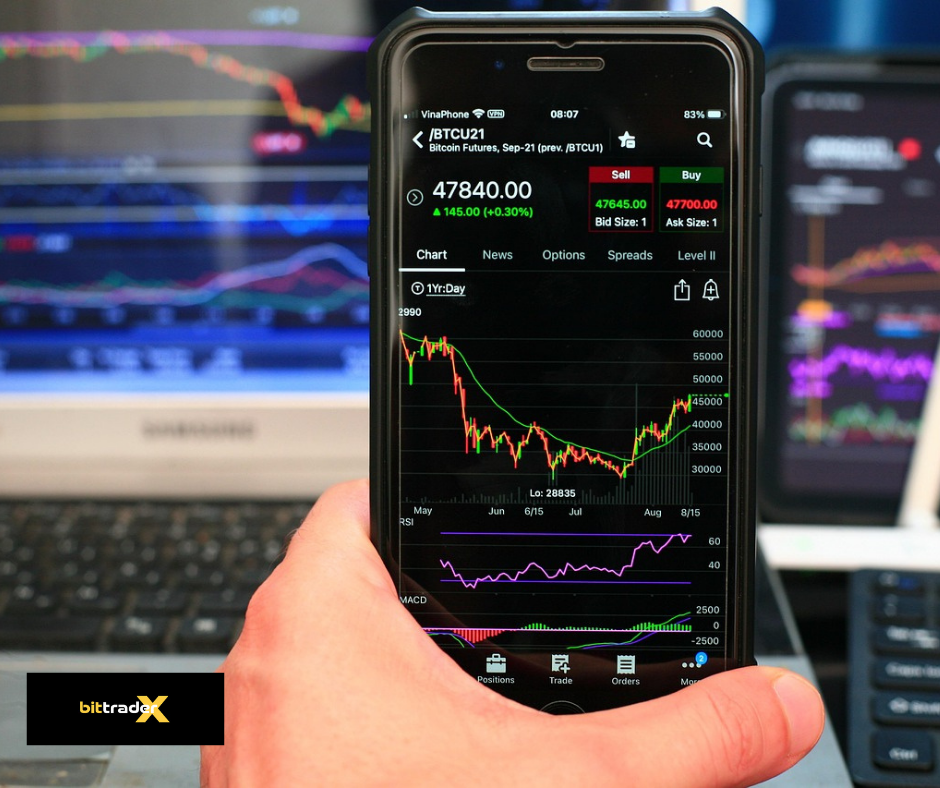
The foreign exchange market is one of the most dynamic financial markets in the world, with exchange rates constantly reacting to economic, political, and financial developments. For many traders, major currency pairs such as EUR/USD, GBP/USD, and USD/JPY serve as the primary focus of market analysis because they combine high liquidity with significant trading opportunities. Although these pairs may appear to move randomly at first glance, their price fluctuations are driven by a wide range of identifiable factors. Understanding what influences exchange rates is essential for traders who want to make informed decisions rather than relying solely on chart patterns or market speculation.
Interest Rates and Central Bank Decisions — The Fed, ECB, BoE, and BoJ
Among all the factors that influence currency markets, interest rates are often considered the most important. Central banks use interest rates as a tool to manage inflation, support economic growth, and maintain financial stability. Because interest rates affect the attractiveness of a country's currency, traders closely monitor every decision and statement issued by major central banks.
The Federal Reserve (Fed) influences the value of the US dollar, which is the most widely traded currency in the world. When the Fed raises interest rates, holding US-dollar-denominated assets often becomes more attractive to investors seeking higher returns. Increased demand for those assets can strengthen the dollar. Conversely, lower interest rates may reduce the appeal of the currency and contribute to downward pressure.
The European Central Bank (ECB) performs a similar role for the euro. Decisions regarding monetary policy, inflation targets, and economic support measures can have a direct impact on EUR/USD. Even when rates remain unchanged, comments from ECB officials can influence market expectations and generate significant currency movements.
The Bank of England (BoE) affects GBP/USD through its own monetary policy decisions. Because the British economy is heavily integrated into global financial markets, traders pay close attention to BoE announcements, inflation forecasts, and economic outlook reports.
The Bank of Japan (BoJ) presents a unique case. For many years, Japan maintained exceptionally low interest rates and highly accommodative monetary policies. As a result, USD/JPY often reacts strongly to any indication that Japanese monetary policy may change. Even subtle adjustments in policy language can create substantial market reactions.
What makes central bank decisions particularly important is that markets often move based on expectations rather than the decision itself. Traders attempt to anticipate future policy changes months before they occur. If a central bank delivers a decision that differs from expectations, currency markets can react dramatically within minutes.
For Forex traders using a trading platform, understanding the relationship between interest rates and exchange rates is fundamental. Many of the largest daily movements in major currency pairs occur because market participants reassess future monetary policy expectations.
This concept also resonates with traders coming from digital asset markets. Individuals familiar with a cryptocurrency trading platform often observe how sentiment and expectations influence cryptocurrency prices. In Forex markets, however, interest rates and central bank policies represent some of the most powerful fundamental drivers of long-term currency trends.
Providers such as bittraderx give traders access to market calendars, economic events, and analytical tools that help track central bank activity and evaluate its potential impact on currency pairs.
Macroeconomic Data, Inflation, and Investor Sentiment
While central banks play a crucial role in currency valuation, their decisions are heavily influenced by economic conditions. As a result, macroeconomic data releases are among the most closely watched events in the Forex market.
Inflation is one of the most important indicators. Rising inflation often increases the likelihood that a central bank will raise interest rates in an effort to control price growth. Because higher rates can strengthen a currency, inflation reports frequently generate strong reactions in Forex markets.
Employment data is another major driver. Reports such as US Non-Farm Payrolls provide insight into labor market strength and economic activity. Strong employment figures can support a currency by suggesting economic resilience, while weak data may indicate slowing growth and increase expectations of future monetary easing.
Gross Domestic Product (GDP) growth is also closely monitored. Strong economic expansion generally supports investor confidence and may strengthen a country's currency. Conversely, weak growth can reduce confidence and create downward pressure.
Consumer confidence, manufacturing activity, retail sales, and business investment data all contribute to the broader economic picture. Traders analyze these indicators not only individually but also in relation to market expectations. Often, the difference between the actual result and the forecast has a greater impact than the data itself.
Investor sentiment adds another layer of complexity. Currency markets do not operate solely on economic fundamentals. Risk appetite and market psychology frequently influence capital flows between countries and asset classes. During periods of optimism, investors may favor growth-oriented assets and currencies. During uncertain periods, they often seek safer alternatives.
The US dollar and Japanese yen are frequently viewed as safe-haven currencies. During times of financial stress, global investors may move capital into these currencies, increasing demand regardless of domestic economic conditions.
Traders who regularly use a traditional crypto exchange often recognize similar behavioral patterns in cryptocurrency markets. However, Forex sentiment tends to be influenced more heavily by macroeconomic conditions and institutional capital flows than by technological developments or adoption trends.
Access to real-time economic data and market analysis through bittraderx helps traders monitor these factors and better understand how economic releases can influence currency movements throughout the trading week.
Politics, Global Risk, and the Differences Between EUR/USD, GBP/USD, and USD/JPY
Although economic indicators and central bank decisions are major drivers of Forex markets, political developments and global risk events can also have a profound impact on exchange rates.
Political uncertainty often creates volatility because it affects investor confidence. Elections, trade disputes, regulatory changes, fiscal policy decisions, and geopolitical tensions can all influence currency valuations. Markets generally prefer stability and predictability. When uncertainty increases, exchange rates often react quickly.
EUR/USD is frequently viewed as a reflection of the economic relationship between the eurozone and the United States. Because it is the most heavily traded currency pair in the world, it often responds strongly to differences in economic performance, inflation expectations, and monetary policy between the ECB and the Fed. Political developments within the European Union can also affect investor confidence and influence the pair.
GBP/USD tends to be particularly sensitive to domestic political developments in the United Kingdom. Events such as elections, fiscal policy announcements, and major regulatory changes have historically produced significant movements in the British pound. At the same time, the pair remains highly influenced by US economic conditions due to the dollar's global importance.
USD/JPY often behaves differently from both EUR/USD and GBP/USD because of the Japanese yen's reputation as a safe-haven currency. During periods of global uncertainty, investors frequently move capital into yen-denominated assets. As a result, USD/JPY may decline even when US economic conditions remain strong. This unique behavior makes the pair especially sensitive to shifts in global risk sentiment.
Understanding these differences helps traders avoid treating all currency pairs as identical instruments. Each pair responds to a unique combination of economic, political, and psychological factors. A strategy that works effectively on EUR/USD may not necessarily produce the same results on USD/JPY or GBP/USD.
Modern providers such as bittraderx offer access to all major currency pairs, allowing traders to compare market behavior and identify opportunities across different economic environments. The ability to monitor multiple markets from a single account makes it easier to recognize how global events influence different currencies.
For traders who primarily use a cryptocurrency trading platform, Forex markets may initially appear less volatile than digital asset markets. However, major economic announcements, geopolitical developments, and unexpected policy decisions can generate substantial movements in major currency pairs, creating opportunities for both short-term and long-term strategies.
Major currency pairs such as EUR/USD, GBP/USD, and USD/JPY are influenced by a complex combination of interest rates, central bank policies, macroeconomic data, inflation trends, investor sentiment, political developments, and global risk events. While exchange rates may appear unpredictable at times, most significant movements can be linked to identifiable economic or financial factors.
Successful Forex traders understand that analyzing charts alone is rarely sufficient. Monitoring central bank decisions, economic indicators, and global developments provides valuable context that helps explain why currencies move and how future trends may develop.
Platforms such as bittraderx provide access to major Forex markets, analytical resources, and market data that support informed trading decisions. By understanding the forces that drive currency valuations, traders can approach EUR/USD, GBP/USD, and USD/JPY with greater confidence and a stronger analytical foundation. Whether trading actively through bittraderx or using currency analysis as part of a broader market strategy, recognizing the factors that influence exchange rates remains essential. Ultimately, bittraderx offers the tools to access the market, but understanding what truly moves currencies is what helps traders make more informed decisions over the long term.