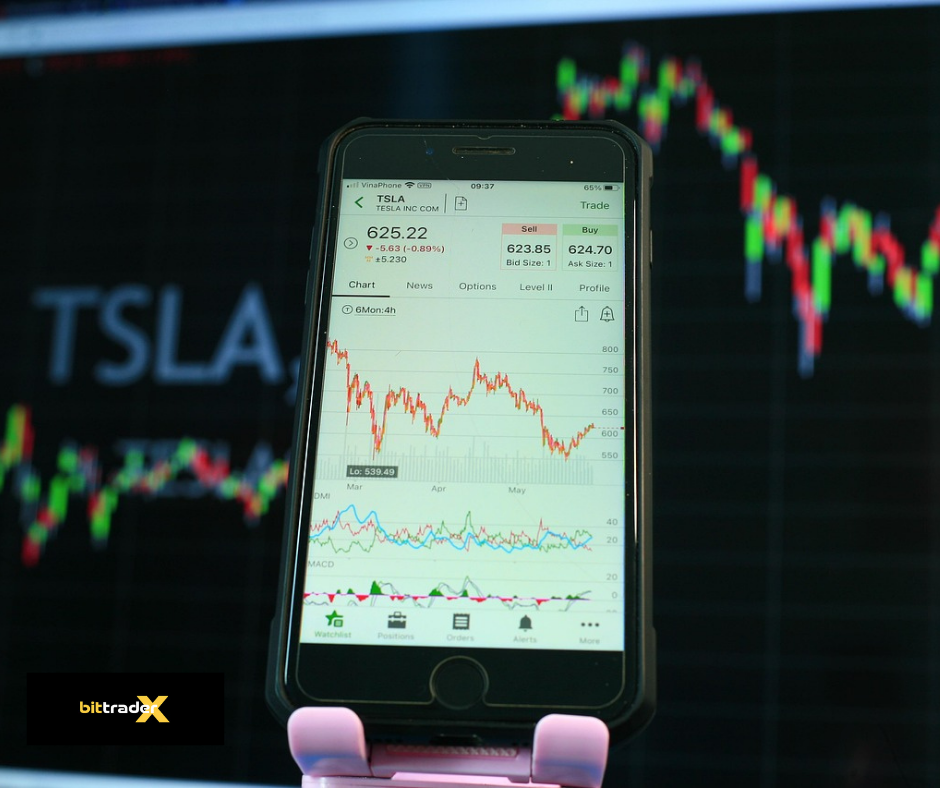
Many people enter the world of CFD trading because of its accessibility and the possibility of participating in global financial markets from a single account. At first glance, the process appears straightforward: choose a market, predict whether the price will rise or fall, and open a position. However, many beginners quickly discover that successful trading requires far more than making market predictions. Strategy, risk management, position sizing, and emotional discipline all play a critical role in long-term performance.
Excessive Leverage and Poor Position Size Control
One of the most common mistakes among beginner CFD traders is using too much leverage. Leverage is often promoted as one of the main advantages of CFDs because it allows traders to control larger positions with a relatively small amount of capital. While this feature can increase potential profits, it also increases potential losses.
Many new traders focus on the possibility of higher returns without fully understanding the risks involved. Seeing the opportunity to open a position many times larger than their account balance can create a false sense of opportunity. Unfortunately, even small market movements can have a significant impact when leverage is involved. A position that appears manageable under normal circumstances may generate substantial losses if the market moves unexpectedly.
The problem becomes even more serious when leverage is combined with poor position sizing. Position sizing refers to the amount of capital allocated to a single trade. Beginners often risk too much of their account on one position, believing strongly in a particular market prediction. While confidence can be useful, overexposure increases vulnerability to normal market fluctuations.
Professional traders typically focus on preserving capital before seeking profits. They understand that losses are a natural part of trading and that no strategy produces winning trades all the time. By limiting the size of individual positions, they reduce the impact of any single losing trade on overall account performance.
Another issue involves misunderstanding the relationship between leverage and volatility. Markets can react rapidly to economic data releases, central bank decisions, geopolitical events, and unexpected news. During these periods, price movements may be significantly larger than anticipated. Traders using excessive leverage may find themselves exposed to losses that exceed their expectations within a very short timeframe.
A disciplined approach often involves setting predefined risk limits, calculating position sizes carefully, and ensuring that no single trade can seriously damage the account. Modern tools available through providers such as bittraderx can assist with risk calculations, but understanding the underlying principles remains essential.
This lesson is particularly important for traders participating in cryptocurrency-related markets. Whether someone uses a cryptocurrency trading platform to purchase digital assets directly or chooses CFDs to speculate on market movements, risk management principles remain the same. Market volatility does not discriminate between trading instruments, and excessive exposure can quickly become costly.
Trading Without a Plan, Stop Loss, or Clear Exit Rules
Another mistake that consistently affects beginner traders is entering positions without a structured trading plan. Many people spend considerable time searching for entry opportunities but devote very little attention to what happens after a trade is opened. Without predefined rules, decisions often become driven by emotions rather than analysis.
A trading plan serves as a framework for decision-making. It defines the conditions for entering a trade, acceptable risk levels, profit targets, and circumstances that justify closing a position. Traders who lack such a framework frequently react impulsively to market fluctuations, making inconsistent decisions that undermine long-term performance.
One of the clearest examples of this problem is the failure to use Stop Loss orders. A Stop Loss helps limit potential losses by automatically closing a position when a predetermined price level is reached. Many beginners avoid using Stop Loss orders because they believe the market will eventually return in their favor. In practice, this mindset often leads to larger losses than originally anticipated.
The absence of clear exit rules creates additional challenges. Some traders close profitable positions too early because they fear losing unrealized gains. Others hold losing trades for too long because they hope the market will reverse direction. Both behaviors are often driven by emotion rather than objective analysis.
Successful trading requires consistency. Traders who establish entry criteria, risk limits, and exit strategies before opening a position are generally better equipped to handle market uncertainty. Rather than reacting emotionally to every price movement, they follow predefined rules designed to protect capital and support long-term decision-making.
This discipline is valuable across all financial markets. Traders familiar with a traditional crypto exchange often encounter similar challenges when managing digital asset positions. Regardless of the market involved, structured decision-making tends to produce more consistent results than emotional reactions.
Modern platforms such as bittraderx provide access to tools that help traders implement risk controls and manage positions more effectively. However, technology alone cannot replace planning. The most effective traders understand that a trading strategy is not simply about finding opportunities; it is about managing risk and maintaining discipline throughout the entire trading process. For this reason, many experienced market participants view planning, position management, and emotional control as equally important components of trading success. bittraderx supports these objectives through educational content and trading tools, while bittraderx users can benefit most when they combine technology with a well-defined strategy and consistent risk management practices.
Emotions, Overtrading, and the Attempt to Recover Losses Quickly
After learning the technical aspects of CFD trading, many beginners discover that their greatest challenge is not the market itself but their own emotions. Fear, greed, frustration, and overconfidence can influence decisions in ways that often lead to costly mistakes. Even traders with a solid understanding of market analysis may struggle if emotions begin to override their trading plan.
One of the most common emotional mistakes is overtrading. This occurs when a trader opens too many positions, trades too frequently, or enters the market without a valid setup simply because they feel the need to be active. Many beginners mistakenly believe that more trades automatically create more opportunities for profit. In reality, excessive trading often leads to lower-quality decisions, higher transaction costs, and increased exposure to unnecessary risk.
Overtrading is frequently linked to impatience. Financial markets do not provide ideal opportunities every hour of every day. Successful traders understand that waiting for favorable conditions is part of the process. Beginners, however, often feel pressure to constantly participate in the market, which can result in entering trades based on emotion rather than analysis.
Another dangerous behavior is revenge trading, which typically occurs after a losing position. Instead of accepting the loss and moving on, the trader immediately opens new positions in an attempt to recover lost money as quickly as possible. This approach rarely follows a structured strategy and often leads to even larger losses. When emotions become the primary driver of decision-making, risk management rules are frequently ignored.
The desire to recover losses quickly can also encourage traders to increase position sizes beyond reasonable levels. A trader who normally follows sensible risk management principles may suddenly expose a much larger portion of their account to a single trade. If the market continues to move against them, the consequences can be severe.
Emotional discipline is therefore just as important as technical knowledge. Successful traders understand that losses are an unavoidable part of trading. No strategy produces winning results all the time, and even experienced professionals encounter losing trades. The goal is not to eliminate losses completely but to manage them effectively while maintaining consistency.
This principle applies regardless of the market being traded. Whether someone uses a cryptocurrency trading platform to invest in digital assets, trades through a traditional crypto exchange, or accesses multiple markets through a trading platform, emotional control remains a critical factor in long-term performance.
Educational resources and risk management tools provided by bittraderx can help traders develop better habits and avoid common mistakes. However, no technology can completely remove the psychological challenges associated with trading. Learning to remain disciplined during both winning and losing periods is an essential part of becoming a more effective market participant.
Most beginner mistakes in CFD trading have little to do with finding opportunities and much more to do with managing risk, controlling emotions, and maintaining discipline. Excessive leverage, poor position sizing, the absence of a trading plan, and emotional decision-making can all undermine performance regardless of market conditions.
Understanding these common pitfalls allows traders to approach the market more realistically. Successful trading is not built on predicting every price movement correctly. Instead, it depends on consistency, capital preservation, and the ability to follow a structured process even during periods of uncertainty.
Modern providers such as bittraderx offer access to global markets, analytical tools, and educational content that can support trader development. Nevertheless, long-term success depends on how those tools are used. Traders who focus on risk management, patience, and continuous improvement are generally better positioned to navigate market challenges than those seeking quick profits. As experience grows, many traders discover that avoiding major mistakes can be just as important as identifying profitable opportunities. By developing sound habits from the beginning, traders using bittraderx can build a stronger foundation for future growth and approach the markets with greater confidence. Ultimately, bittraderx can provide the environment and tools needed for participation, but disciplined execution remains the responsibility of the trader.