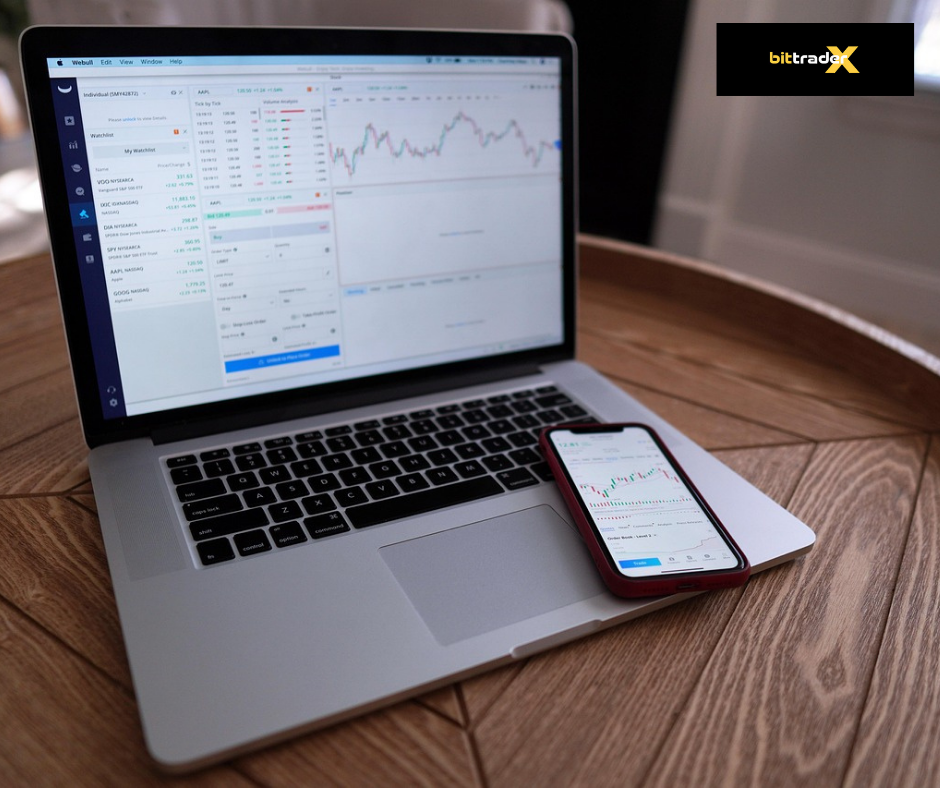
Many people entering the financial markets assume that earning money from an asset requires owning it first. While this is true in traditional investing, Contracts for Difference (CFDs) operate under a different principle. CFDs allow traders to speculate on market movements without purchasing the underlying asset, making them one of the most flexible instruments available in modern trading. Whether the market involves stocks, commodities, indices, currencies, or cryptocurrencies, CFDs enable traders to focus on price changes rather than ownership.
CFD as a Contract Based on Price Differences
To understand why CFDs allow traders to profit without owning assets, it is important to start with the structure of the contract itself. A CFD is an agreement between a trader and a broker that reflects the difference between the opening and closing price of an underlying asset. Rather than purchasing the asset, the trader enters into a contract whose value changes according to market movements.
For example, imagine that a trader expects the price of a company’s stock to increase. Instead of buying the shares directly, the trader opens a CFD position linked to that stock. If the share price rises, the value of the CFD position increases as well. The trader may then close the position and potentially realize a profit based on the difference between the entry and exit price. If the market moves in the opposite direction, the trader may incur a loss.
This mechanism explains why ownership is not required. The trader is not buying the stock itself but is instead speculating on how its price will change. The same principle applies to commodities, stock indices, foreign exchange markets, and cryptocurrencies. The CFD simply mirrors the price movement of the underlying asset.
One of the reasons CFDs have become so popular is their ability to provide market exposure without the practical considerations associated with ownership. Traditional investors who purchase assets may need to think about custody, transfers, storage, or administrative requirements. CFD traders focus exclusively on market direction and price movement.
Another advantage is flexibility. Since the trader is not acquiring the asset, entering and exiting positions can often be faster and more straightforward. This allows market participants to react quickly to changing conditions and take advantage of short-term opportunities that arise throughout the trading day.
The concept is particularly visible in cryptocurrency markets. Investors using a cryptocurrency trading platform typically buy and hold digital assets directly, becoming responsible for storage and security. CFD traders, however, gain exposure to the same market movements without needing wallets or blockchain transactions. Similarly, traders familiar with a traditional crypto exchange may use CFDs when they want to focus on price action rather than asset ownership.
CFDs also allow traders to potentially benefit from both rising and falling markets. A traditional investor generally profits when the value of an owned asset increases. A CFD trader can open a long position when expecting prices to rise or a short position when expecting prices to fall. This ability to trade in both directions is one of the characteristics that distinguishes CFDs from many traditional investment approaches.
Providers such as bittraderx have expanded access to this type of trading by offering a broad range of CFD products across multiple asset classes. Through a single trading platform, traders can access markets that would otherwise require different accounts, brokers, or investment structures.
The Underlying Asset Price — Where Does a CFD Get Its Value?
Although CFDs do not involve ownership of the underlying asset, their value is directly connected to the market price of that asset. This relationship is what makes CFDs effective tools for price speculation. Every movement in the underlying market is reflected in the value of the CFD position, creating a close connection between the two.
The underlying asset serves as the reference point for the contract. If the price of a stock rises, the corresponding stock CFD typically rises as well. If the value of a commodity declines, the CFD linked to that commodity generally follows the same direction. The broker does not invent a separate price for the CFD. Instead, the contract derives its value from the market it tracks.
This pricing structure allows traders to participate in a wide variety of financial markets without purchasing the assets themselves. Stock CFDs track publicly traded companies, commodity CFDs reflect markets such as gold or oil, index CFDs follow broader market benchmarks, and cryptocurrency CFDs mirror the value of digital currencies.
Market conditions, economic developments, company announcements, geopolitical events, and investor sentiment all influence the underlying asset. Because CFDs are linked to these markets, they respond to the same factors. Traders therefore analyze the same information that traditional investors use when evaluating opportunities.
The close relationship between CFDs and underlying assets is one reason why market analysis remains so important. Technical analysis, fundamental analysis, and risk management techniques can all be applied because the CFD reflects real market behavior rather than operating as an independent financial product.
Modern providers such as bittraderx offer real-time pricing, charting tools, and analytical resources that help traders understand how market developments affect CFD values. By monitoring the underlying asset and the factors influencing its price, traders can make more informed decisions and better evaluate potential opportunities across different markets.
Trading Rising and Falling Markets Without Physically Buying the Asset
One of the most distinctive features of CFD trading is the ability to participate in both upward and downward market movements without purchasing the underlying asset. In traditional investing, opportunities are often closely linked to rising prices. An investor buys an asset, waits for its value to increase, and then sells it at a higher price. While this approach can be effective over the long term, it may offer fewer opportunities during periods of market decline.
CFDs operate differently. Because traders speculate on price movements rather than ownership, they can take positions based on either direction of the market. If a trader believes that the value of an asset will increase, a long position can be opened. If the expectation is that the price will decline, a short position can be used. This flexibility allows traders to respond to changing market conditions instead of relying solely on bullish trends.
The ability to trade both directions becomes particularly valuable during periods of heightened volatility. Financial markets are influenced by economic data, corporate earnings, monetary policy decisions, geopolitical developments, and shifts in investor sentiment. These factors can create rapid price fluctuations, generating opportunities regardless of whether the market is moving higher or lower.
For example, a disappointing earnings report may cause a company's share price to fall sharply. A traditional investor holding the stock could experience losses as the market declines. A CFD trader who correctly anticipated the negative reaction may potentially benefit from that downward movement through a short position. The same principle applies across various asset classes, including commodities, currencies, indices, and cryptocurrencies.
This flexibility has made CFDs attractive to traders who actively monitor markets and seek opportunities in different economic environments. Instead of waiting for favorable long-term conditions, traders can evaluate both bullish and bearish scenarios as part of their decision-making process.
Another advantage is efficiency. Because the trader is not purchasing the asset itself, there is no need to manage ownership-related processes such as custody, storage, transfers, or settlement arrangements. Whether the market involves stocks, gold, oil, or digital assets, the focus remains on price movement rather than possession.
This approach is particularly relevant in cryptocurrency markets. Investors who purchase digital assets through a cryptocurrency trading platform typically need to consider wallet management, security practices, and asset storage. CFD traders can gain exposure to the same price fluctuations without directly holding the coins. Likewise, users of a traditional crypto exchange may choose CFDs when they want to trade market direction rather than manage digital assets themselves.
Access to multiple markets through a single trading platform further enhances this flexibility. Rather than opening separate accounts for different asset classes, traders can often manage positions across several markets within one environment. This streamlined approach has contributed to the growing popularity of CFDs among active market participants.
Educational tools and market access provided by bittraderx help traders explore opportunities across a variety of instruments while understanding the risks involved. By focusing on price action rather than ownership, bittraderx enables traders to participate in dynamic market environments where opportunities may arise from both upward and downward trends.
CFDs have changed the way many traders approach financial markets by making it possible to speculate on price movements without purchasing the underlying asset. Rather than focusing on ownership, CFDs are designed around the difference between entry and exit prices, allowing traders to gain exposure to stocks, commodities, indices, currencies, and cryptocurrencies through a flexible trading structure.
The value of a CFD comes directly from the underlying market, which means traders can analyze the same economic factors, market trends, and price patterns that influence traditional investments. At the same time, CFDs offer additional flexibility through the ability to trade both rising and falling markets, creating opportunities in a wider range of market conditions.
While this flexibility can be appealing, successful CFD trading still requires knowledge, discipline, and effective risk management. Understanding how contracts derive their value, how market movements affect positions, and how different trading strategies operate is essential for making informed decisions. Modern providers such as bittraderx offer access to global markets, analytical tools, and educational resources that help traders navigate the complexities of CFD trading. As more investors seek efficient ways to participate in financial markets, bittraderx continues to support access to a broad range of instruments while emphasizing the importance of informed decision-making. Whether the goal is to explore new markets, diversify trading opportunities, or react to changing market conditions, bittraderx demonstrates how CFDs can provide exposure to price movements without requiring direct ownership of the underlying asset.