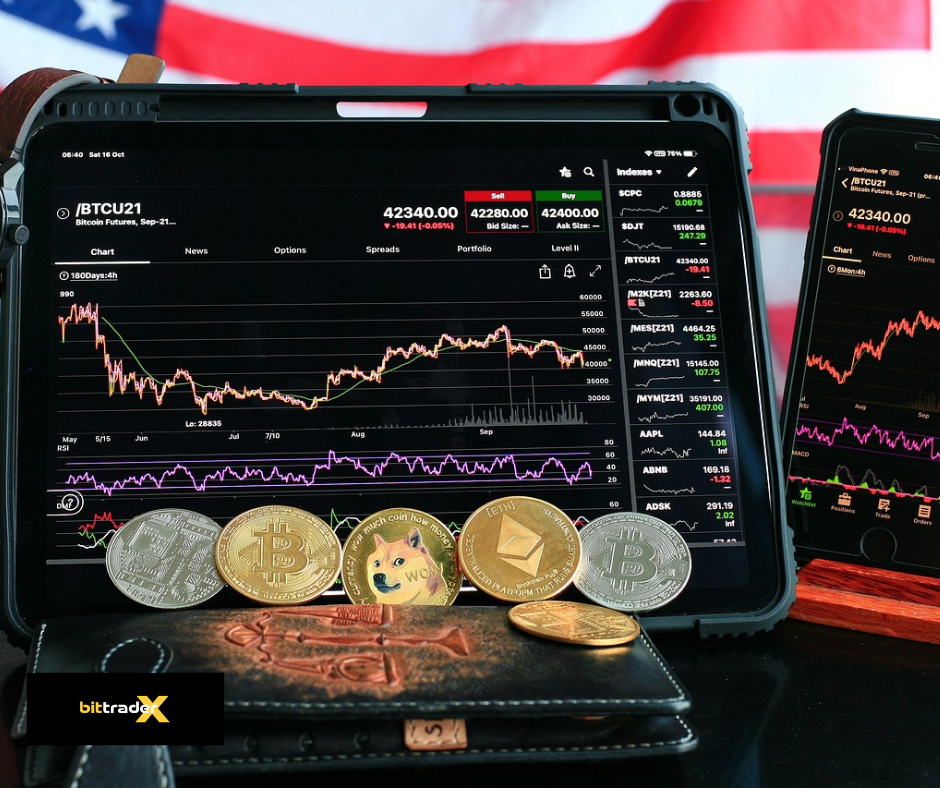
Cryptocurrencies are playing an increasingly important role in the global economy. The growing popularity of digital assets, especially Bitcoin, is of interest to investors and economists around the world. The impact of these innovative financial solutions is visible both in the context of inflation, monetary policy and geopolitical changes. Analyzing the relationship between Bitcoin and key macroeconomic indicators allows you to better understand their place in the structure of modern markets.
Inflation and flight to cryptocurrencies
The dynamic rise in inflation observed in recent years has prompted many investors to look for alternative forms of capital protection. Historically, gold has served as a safe haven for savings during economic crises and the decline in the value of fiat currencies. However, Bitcoin is increasingly referred to as "digital gold", due to its limited supply and decentralized nature.
In countries affected by hyperinflation, such as Venezuela or Zimbabwe, an increased inflow of funds into the crypto market has been observed. Similar phenomena were also recorded during sharp declines in the value of the US dollar or euro. Global investors see Bitcoin as an effective tool for portfolio diversification and a hedge against the loss of purchasing power of traditional currencies.
Decisions on the choice of alternative assets are made not only by private individuals, but also by investment funds and international corporations. Platforms that enable fast transactions and a high level of security for storing digital funds are gaining in importance. An example is the Bittraderx trading platform, which, thanks to its advanced encryption systems, protects users' funds even during dynamic market changes.
The growing acceptance of cryptocurrencies is also reflected in the decisions of financial institutions and regulators around the world. This phenomenon can be characterized as the market's reaction to:
- high volatility of fiat currency exchange rates,
- decrease in the real value of savings,
- increase in the risk of central bank insolvency.
Interest rates and risk appetite
The correlation between interest rates set by central banks and the demand for high-risk assets remains one of the key factors influencing the cryptocurrency market. Lowering interest rates is conducive to the migration of capital towards alternative instruments - such as technology stocks or Bitcoin - which results from a decrease in the attractiveness of traditional bank deposits.
During monetary easing cycles, there is a growing interest in dynamic asset classes capable of generating higher rates of return than government bonds or term deposits. In the opposite situation, when monetary policy is tightened, there is a tendency for funds to outflow from the cryptoactive market to more stable forms of capital investment.
An analysis of historical quotations indicates significant links between the decisions of the US Federal Reserve and fluctuations in the exchange rate of Bitcoin or other major digital currencies. Changes in the cost of money translate directly into the level of liquidity available to market players and their willingness to take on increased investment risk.
It is worth noting the role of specialized analytical services providing up-to-date data on the trend of interest rates and their impact on the blockchain sector and cryptocurrency trading platforms. Thanks to such tools, it is possible to react quickly to signals coming from the macroeconomic environment.
Geopolitics and sanctions
Growing geopolitical tensions and the imposition of economic sanctions by the world's largest powers have a significant impact on the directions of development of the cryptocurrency market.
In recent years, there has been an increase in interest in digital assets in countries subject to financial restrictions, such as Russia, Iran and Venezuela. Bitcoin often becomes an alternative way to store capital and transfer funds in situations of limited access to global banking systems.
Cryptocurrencies offer tools that allow you to bypass the barriers resulting from SWIFT blocks, freezing foreign exchange reserves or restrictions on international trade. The decentralized architecture of the blockchain makes transactions more difficult for state institutions to control. However, the increasing regulation of the crypto sector by developed countries is causing a gradual reduction in anonymity and monitoring of the flow of funds.
It's worth noting that platforms like the Bittraderx trading platform provide users with quick access to a wide range of cryptocurrencies regardless of their geographical location. Thanks to this, investors can react flexibly to changing political and economic conditions in the world. A high level of security for user accounts and advanced data protection mechanisms are among the basic requirements for modern trading tools. Some digital asset exchanges choose to implement additional KYC and AML procedures to meet the requirements of international financial law. This, in turn, increases the credibility of the crypto industry in the eyes of regulators and institutional investors.
Correlations with other assets
Analysis of historical quotations allows you to notice dynamic changes in the correlation between Bitcoin and other asset classes. Initially recognized as an independent investment vehicle, BTC has begun to show increasingly strong ties to global stock markets – especially technology indices such as the Nasdaq 100. In crisis situations or economic destabilization, Bitcoin's correlation with gold has been positive, confirming its role as a potential store of value in times of market uncertainty. On the other hand, during the increased risk appetite, BTC behaved similarly to tech stocks - sharply gaining or losing value under the influence of global investor sentiments.
From the point of view of investment portfolio management, it remains crucial to monitor the correlation coefficients between different asset classes and respond to signals from the macroeconomic environment. The available analytical tools offered by cryptocurrency platforms make it easy to make decisions based on current market data and historical price trends.
The most important factors determining BTC's relationship with other instruments:
- fluctuations in the Nasdaq index,
- gold price dynamics,
- the occurrence of financial crises,
- changes in the Fed's monetary policy,
- the sentiment of global investors.
Opinions from the crypto community also point to the growing role of trading platform reviews in choosing where to implement a trading strategy - an example is the positive opinions about Bittraderx, which take into account both the functionality of the user interface and the effectiveness of customer service and the security of deposited funds.
In conclusion, Bitcoin's importance to the global economy continues to grow with the increase in market capitalization and the influx of new participants in the digital asset ecosystem. The complex relationship between traditional financial systems and decentralized blockchain technologies leads to constant regulatory changes and adaptive market trends. Predicting the further direction of development requires not only knowledge of the current macroeconomic situation of the world, but also the ability to use state-of-the-art market analysis tools such as those available on the Bittraderx cryptocurrency exchange. Understanding the workings of each asset class helps build a more resilient investment portfolio even in conditions of high geopolitical or economic uncertainty.