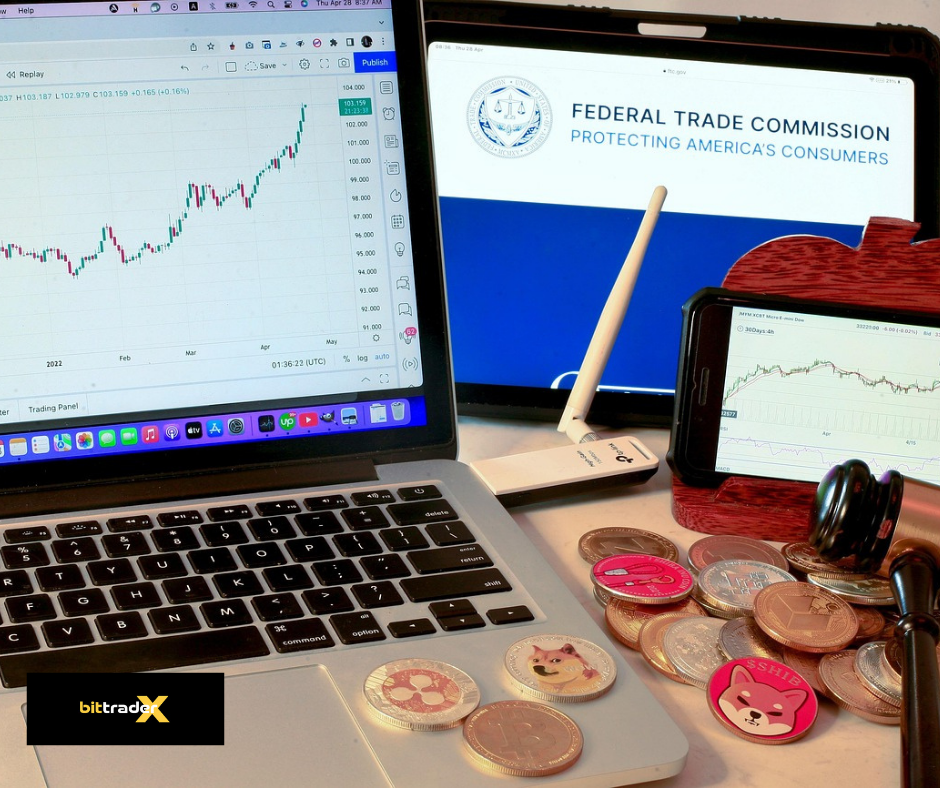
The cryptocurrency market is dynamically evolving, offering not only opportunities for speculative earnings, but also alternative strategies for generating passive income. Solutions inspired by classic financial market mechanisms, such as digital dividend equivalents, are gaining more and more popularity. Staking, yield farming, or lending on the blockchain allow investors to earn regular inflows without having to actively trade.
Staking and yield farming
Staking is one of the primary ways to earn passive income in the cryptocurrency ecosystem. It involves storing specific digital asset assets to support the security of the blockchain network and validate transactions. The investor is compensated for this in the form of new tokens or transaction fees. This solution is especially popular in networks using the Proof of Stake consensus algorithm. This form of investment allows both experienced traders and people starting their adventure with digital assets to participate.
Yield farming, on the other hand, involves making liquidity available to decentralized exchanges or DeFi protocols to earn rewards. Users transfer their funds to a so-called liquidity pool, where they are used by other market participants to execute transactions or loans.
A distinctive feature of both strategies is the ability to choose between different projects and rates of return. The potential profit depends on many factors: the type of asset, the length of the lockup or the load on the blockchain network. For investors, the security of funds and the credibility of the chosen cryptocurrency platform are also crucial.
In the context of staking and yield farming, it is worth emphasizing the role of analytical tools available on the Bittraderx trading platform. They allow you to monitor the profitability of individual protocols and assess the risks associated with a given DeFi project. This makes it possible to make more informed investment decisions while maintaining control over your own digital portfolio.
Loans and lending
Loans and lending is another pillar of the strategy of generating passive income through instruments based on blockchain technology. It involves making your own funds available to other users through specialized lending platforms or decentralized finance applications. The lender regularly receives interest on the value of the transferred capital. This type of solution is particularly popular where traditional banking institutions limit access to credit or offer unattractive interest rates on savings deposits. Lending platforms allow you to flexibly determine the parameters of the transaction - the duration of the agreement or the amount of collateral required from the borrower remains a matter of individual negotiation between the parties.
From a security perspective, the reputation of the service provider and the technological safeguards used are extremely important: encryption of user data or a system of reserves to protect against counterparty insolvency are now part of the industry quality standard.
In the global market, more and more people are choosing to entrust their capital to proven operators such as Bittraderx, which integrates lending functionality directly into its exchange infrastructure. This makes it possible to quickly transfer funds between the trading account and the loans section without having to transfer them outside the platform. This increases the level of convenience of financial handling of the portfolio.
Stablecoins as a tool
Stablecoins have gained popularity as instruments that allow you to generate income with much less volatility than classic cryptocurrencies. Their value is usually pegged to the US dollar, which reduces the risk of sharp exchange rate fluctuations. This allows investors to take advantage of stablecoin-based income products, minimizing potential losses resulting from asset price declines.
In recent years, DeFi platforms have made a variety of monetization models available for making money on stablecoins. The interest rate on deposits reached up to 10% per year, although currently the average rate of return oscillates around 3-6%. Investors benefit from both simple depositing of funds on decentralized exchanges and advanced strategies such as automatic liquidity pools.
Many people also choose stablecoins as a temporary "shelter" for capital during periods of greater market uncertainty. By moving funds from more volatile tokens to stablecoins, users can wait out an adverse situation without losing exposure to the crypto world.
An additional advantage is the wide availability of stablecoins on various trading platforms, including the recommended cryptocurrency exchange Bittraderx. These platforms allow you to quickly transact and flexibly manage your digital asset portfolio. Investors also have the opportunity to use specialized analytical tools to support investment decisions based on the latest market trends.
However, the use of stablecoins comes with the need to constantly monitor selected protocols and market conditions. Even stable assets require regular evaluation of the issuer's credibility and the security of the crypto trading platform used.
Risks hidden in promises
The dynamic development of the digital asset market has brought not only innovative passive earning strategies, but also new types of risks for individual and institutional investors. The high rates of return offered by some projects have often proved impossible to maintain in the long term. Statistics show that in 2023 alone, more than 20 large lending platforms and yield farms operating globally collapsed, and hundreds of thousands of users lost access to their funds due to insolvency or cyberattacks.
Often, the lack of financial transparency and audit of smart contracts results in a loss of control over the funds entrusted to them. The issue of legal regulations for the crypto industry remains a particularly important aspect. In many jurisdictions, there is a lack of clear guidelines defining the operator's responsibilities or information obligations towards retail and institutional clients. The risks outlined below are particularly important when choosing service providers related to digital income strategies:
- insufficient technical safeguards.
- excessive marketing optimism,
- volatility of the regulatory environment,
- correlation between the failures of individual projects and domino effects.
The growing market for income strategies based on digital currencies requires participants to constantly gain knowledge and make prudent financial decisions. Stable solutions such as stablecoins or lending offer a real potential to generate revenue at a lower level of risk than speculating on the exchange rates of traditional tokens. At the same time, it is important to remember about dynamic technological changes and the evolution of legal regulations affecting the functioning of the entire crypto industry.